Houses vs units in Brisbane — which should first-time investors buy in 2026?
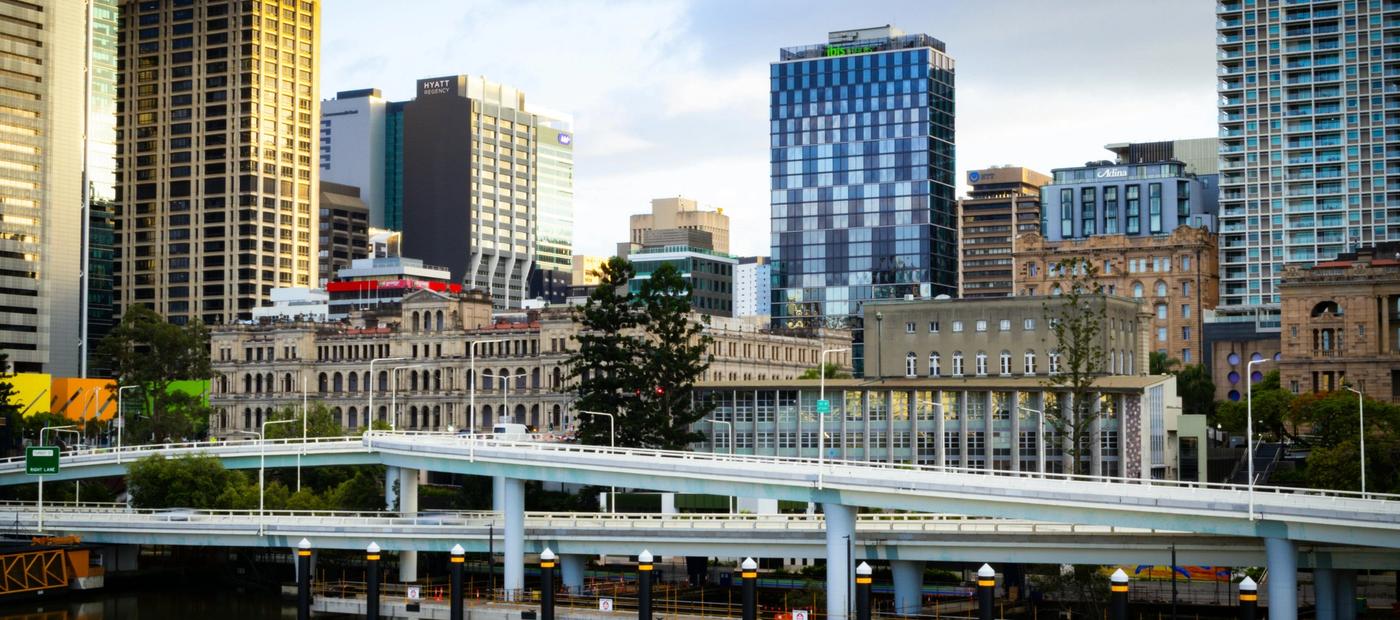
Cotality (CoreLogic) Home Value Index, NAB Brisbane Market Insights, SQM Research, Bamboo Routes Brisbane Forecasts 2026, Australian Property Experts — March 2026.
For the first time in Brisbane's history, units are outpacing houses on annual price growth. With the median house now above $1.2 million, is the old rule — always buy land — still the right advice for first-time investors in 2026?
The houses versus units debate has been a constant in Australian property. The traditional answer — always buy the land, land appreciates and buildings depreciate — served investors well for decades. But Brisbane in 2026 is a different market to any that came before it. The data is telling a new story, and first-time investors need to understand it before they decide where to deploy their deposit.
- 1.The data — where things stand right now
- 2.Why units are winning right now
- 3.The case for houses in 2026
- 4.Full comparison — factor by factor
- 5.What type of unit to buy — and what to avoid
- 6.The verdict — which is right for you?
1. The data — where things stand right now
Here is how houses and units compare across the key metrics that matter to investors as of March 2026:
Source: Cotality Home Value Index and NAB Brisbane Market Insights, March 2026. The unit growth figure of 21.5% annually marks a historic first — this is the first sustained cycle in Brisbane where attached housing has led the market.
2. Why units are winning right now
The shift is being driven primarily by affordability. At a median house price of $1.21 million, a standard 20% deposit requires $242,000 in cash — before stamp duty, legal fees, and building inspections. For most first-time investors in Brisbane, that puts the house market firmly out of reach without significant equity or parental support.
Units, with a median closer to $866,000 in the broad market and individual opportunities well below that in the middle ring, offer a more accessible entry. More buyers competing in the unit segment is pushing prices higher — and the rental dynamics are reinforcing that trend.
"Brisbane's unit market is being driven by a genuine affordability squeeze. As more buyers are priced out of houses, they converge on units — and rents in those properties keep rising because tenants face the same affordability pressure. That combination of capital growth and yield momentum is unusual and worth paying attention to." — Peter Ly, Australian Property Experts
Brisbane's vacancy rate of 0.9% means well-located units are being leased within days. Inner-city suburbs like South Brisbane and Fortitude Valley are recording gross yields of 5.7% to 5.9% — meaningfully above what houses in comparable locations are generating. For an investor who needs their property to carry itself, the unit maths are considerably better.
3. The case for houses in 2026
The traditional argument for houses — land appreciates, buildings depreciate — is not wrong. It is just less dominant than it used to be. Houses in Brisbane have still delivered extraordinary returns: the five-year growth rate sits at over 85% for the broad market. And in established inner and middle-ring suburbs, well-positioned family homes on good land continue to attract the strongest owner-occupier demand — which is ultimately what drives capital growth over the long term.
If your investment horizon is ten years or more, and you can afford to enter the house market at the right suburb and price point, the land component still represents a store of value that units cannot fully replicate. Houses also carry no body corporate fees, give you full control over the asset, and offer greater renovation upside.
4. Full comparison — factor by factor
Here is a complete breakdown of how houses and units compare on every factor relevant to a first-time Brisbane investor in 2026:
| Metric | What it includes | Typical result |
|---|---|---|
| Entry price | Houses $1.21M median vs Units $866K median | Units win |
| Annual growth (2026) | Houses +18.5% vs Units +21.5% | Units win |
| Gross rental yield | Houses 3.2% vs Units 4.0–5.5% | Units win |
| Cash flow | Houses mostly negative vs Units less negative | Units win |
| Long-term land value | Houses strong land component | Houses win |
| Renovation upside | Houses high vs Units limited | Houses win |
| Body corporate fees | Houses none vs Units $2,000–$8,000+/yr | Houses win |
| 5-year total return forecast | Both strong — units slightly ahead | Units (slight) |
5. What type of unit to buy — and what to avoid
Not all units are equal. The risk with Brisbane's unit market is that a surge in new high-rise apartment supply in certain corridors could compress values and yields. Property analysts are consistent on this point: avoid large high-rise towers, particularly off-the-plan stock in oversupplied pockets of the inner city.
What does perform well is boutique stock — complexes of fewer than 20 units, in established suburbs with genuine owner-occupier appeal. Think 2-bedroom apartments in walkable, amenity-rich suburbs like West End, Albion, Coorparoo, or Greenslopes. These properties have scarcity on their side, attract tenants and buyers alike, and have historically held their value better during softer markets.
Townhouses occupy a compelling middle ground. They carry the yield and accessibility advantages of attached housing, but typically come with a land component, no large body corporate, and broader buyer appeal if you need to sell. Analysts from NAB, Bamboo Routes, and Metropole all identified well-located Brisbane townhouses as the single best risk-adjusted return profile over a five-year horizon in 2026.
Large high-rise towers with 50+ units, off-the-plan stock in oversupplied CBD-fringe corridors (particularly inner Fortitude Valley high-density precincts), and any complex with body corporate fees above $8,000 per year. In these assets, the risks to yield and resale value are material.
6. The verdict — which is right for you?
If you can genuinely enter the house market at a quality middle-ring suburb — not at the fringe, not in a flood-prone pocket — and you plan to hold for a decade or more, the land component will work in your favour. Focus on suburbs like Coorparoo, Tarragindi, Keperra, or Nundah where owner-occupier demand is strong and supply is genuinely constrained.
If your deposit is in the $100,000–$180,000 range, the unit market is where your money will work hardest right now. The combination of higher yields, lower entry, and comparable capital growth makes a well-chosen unit or townhouse the strongest first investment for most buyers in 2026. Prioritise boutique complexes in established, walkable suburbs over any new high-rise tower.
The best investors do not pick a property type and stay married to it. They match the asset to the strategy. In 2026, with the data clearly favouring units on entry, yield, and growth — and with the unit market being the only one accessible to most first-time investors at all — starting with a quality unit or townhouse and building from there is a sound approach.
This article is general information only and does not constitute financial or investment advice. Data sourced from Cotality Home Value Index (March 2026), NAB Brisbane Property Market Insights, SQM Research, and Bamboo Routes Brisbane Forecasts 2026. Always seek independent financial advice before making investment decisions.
General information only. This article does not constitute financial, legal, or investment advice. Always consult a licensed financial adviser or mortgage broker before making investment decisions.
Partner with PropTalk
PropTalk is an independent property investment content site built specifically for first-time investors in Brisbane and South East Queensland. We are in early growth phase and looking to establish a small number of trusted broker and buyers agent partnerships from the ground up — so our readers have quality professional recommendations from day one.