Victoria Park's Draft Legacy Plan: What It Actually Says About Herston, Bowen Hills and Spring Hill
The Queensland Government released its draft Victoria Park Precinct Legacy Plan this month, open for public consultation until September. Most coverage of Brisbane's Olympic precinct stays vague. The actual document doesn't: it names 31 new residential towers, converts the Athletes Village to permanent housing, and sets a public timeline through 2042. Here's what it says, suburb by suburb.
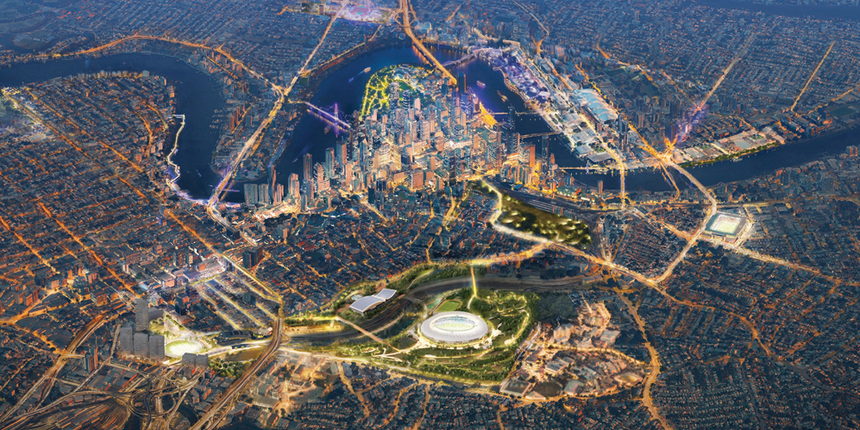
What this document actually is
This isn't a marketing brochure for the Games. It's a formal planning document from Queensland's Department of State Development, Infrastructure and Planning, built on top of Brisbane City Council's existing Victoria Park / Barrambin Master Plan and the RNA's 2011 Brisbane Showgrounds Redevelopment Masterplan. The document is explicit about its own scope, and it's worth reading in the government's own words rather than a summary of them.
"We have been clear from the outset that the 2032 Delivery Plan is not simply about sports. It is an infrastructure plan, built to benefit the greatest number of Queenslanders possible."
The plan sets out four purposes for this draft: establishing the overall structure of land use across the precinct before, during and after the Games; responding to the practical requirements of hosting the events; supporting the design work of delivery partners already active on site; and, specifically, seeking feedback from the community and stakeholders on legacy proposals to inform future updates. That last point matters for anyone with a stake in the area: the consultation window closing this September is the actual opportunity to influence what gets built, not a formality after the fact.
The housing detail most coverage skips
Two facts in the document matter more than anything about stadium seating capacity if you're thinking about property, not sport. First, the precinct concept map marks 31 new residential accommodation towers, concentrated on the Bowen Hills and Showgrounds side of the precinct. Second, and more significant long-term: the Brisbane Athletes Village itself becomes permanent housing stock.
"Following the 2032 Games, athlete accommodation will be converted into permanent housing, contributing new homes to inner-city Brisbane and delivering a lasting legacy for the community."
The Village is designed to accommodate more than 10,000 athletes and officials during the Olympics and over 5,000 during the Paralympics, built on land already zoned for residential development under the existing 2011 masterplan. That zoning detail is easy to miss but matters: this isn't speculative upzoning that might happen, it's new housing supply built on land the planning framework already allocated for it well before the Games were awarded.
The plan is also explicit that two-thirds of Victoria Park remains green and public space, and that "across the precinct there will be more publicly accessible open space and public realm compared to today." Combined with the housing detail above, the picture isn't a precinct being maximised for density – it's a genuine mixed-use rebalancing, with meaningful new housing supply arriving alongside more public parkland, not instead of it. For nearby suburbs, that generally supports amenity-driven demand rather than the kind of oversupply concern that pure high-density upzoning can raise.
Suburb by suburb: what's actually named
The document's precinct connectivity map names a wide range of surrounding suburbs, with Herston, Bowen Hills, Spring Hill, Kelvin Grove, Fortitude Valley, Newstead, Windsor, Wilston, Red Hill and Paddington all sitting within or adjoining the precinct. Three of these have the most direct exposure, with dedicated infrastructure and connections named specifically for each.
Herston gets the most direct treatment of any suburb in the document. It has its own named arrival plaza and drop-off point, a dedicated "Herston community sports hub," and is called out specifically for local road upgrades "to maintain safe and reliable access into and out of the precinct, including for the Herston Health Precinct and nearby education facilities." The plan also names the Herston Health Precinct itself as one of the surrounding destinations the precinct connects to, alongside QUT Kelvin Grove. Herston already featured in our June suburb report on 2-bedroom units for its hospital precinct and university proximity; this plan adds direct Olympic infrastructure to that existing case.
Bowen Hills sits alongside the Brisbane Showgrounds and the Athletes Village site, and is where the bulk of the map's 31 new residential towers are concentrated. Bowen Hills train station is also named as one of the precinct's existing public transport connections, alongside Exhibition, Fortitude Valley and Roma Street stations, with Cross River Rail set to improve that connectivity further. This is arguably the suburb with the most concrete, near-term housing supply story in the whole document.
Spring Hill's treatment centres on everyday community use rather than housing supply. The plan names a dedicated "Spring Hill community sports hub," a "Spring Hill Precinct car park/mobility hub," and positions Spring Hill Common adjacent to the precinct. The framing throughout is about improved everyday access and amenity for existing residents, walking and cycling links, wider and shaded pathways, better connections to the city centre, rather than new housing stock specifically.
The connectivity case
Beyond housing, the plan makes a specific transport case for the surrounding area. Active travel links are planned to connect the precinct to Roma Street and the city centre, Fortitude Valley, the Herston Health Precinct, QUT Kelvin Grove, and the Enoggera Creek Bikeway into Brisbane's northern suburbs. The document also flags that pedestrian and cycling connections over the Inner City Bypass and rail corridor are being investigated specifically to fix routes "currently severed by major road and rail transport infrastructure" – a direct acknowledgement of an existing connectivity gap between these suburbs and the city centre that the plan proposes to close.
Frequently asked questions
All figures, quotes and timeline dates in this article are drawn directly from the Victoria Park Precinct Draft Legacy Plan, published by Queensland's Department of State Development, Infrastructure and Planning, August 2026. The document is provided in draft form for consultation purposes and its content, including maps and figures, is described by the department itself as indicative and subject to change as further feedback is incorporated. This article should not be treated as a substitute for reading the full draft plan or participating in the official consultation process. General information only, not financial or investment advice.