The five best Brisbane suburbs to invest in under $1 million in 2026
With Brisbane's median house price now above $1.2 million, finding a suburb that still offers genuine investment upside under $1 million requires specific knowledge of where the data actually supports the thesis. These five suburbs all have verified median sale prices under $1 million for units, rental yields above Brisbane's city average of 3.3%, and at least one structural demand anchor that does not disappear when interest rates rise.
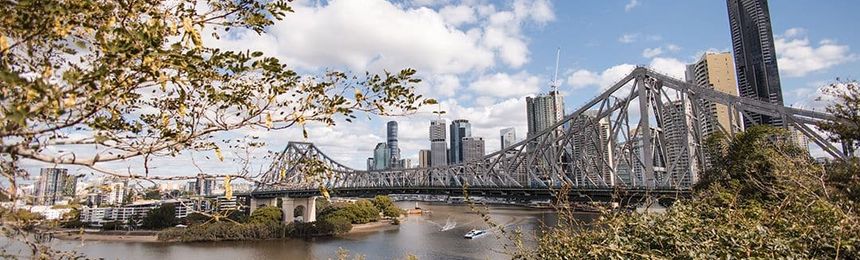
Brisbane's property market has changed fundamentally in three years. The median house price crossed $1.2 million in early 2026, and the median unit price sits at $876,474. For investors with a budget under $1 million, the obvious inner-ring suburbs are no longer accessible at the price points that made them attractive five years ago. The question is not whether those suburbs were good investments. They were. The question is where the equivalent opportunity exists in 2026.
This article identifies five Brisbane suburbs where the investment case is supported by verified data rather than projection and speculation. Each suburb has a confirmed median sale price under $1 million for at least one dwelling type, a rental yield above Brisbane's city average of 3.3%, and a structural demand driver that creates genuine long-term rental and capital growth support. All data is sourced from Cotality, CoreLogic via YIP and PropertyValue, and has been verified across multiple providers.
Suburbs were included only if they met three criteria simultaneously: confirmed median sale price under $1 million for at least one dwelling type based on sales data, gross rental yield above Brisbane's city average of 3.3%, and at least one verifiable structural demand driver such as a hospital, university, train station, or confirmed infrastructure project. Suburbs based solely on price growth forecasts without verified current data were excluded.
Nundah sits 8 kilometres north of Brisbane CBD with direct train access via both the Doomben and Airport lines. The suburb has been gentrifying steadily for a decade, driven by its train connectivity, growing cafe and dining precinct, and relative affordability compared to neighbouring Clayfield and Ascot. That gentrification is still underway, which is the key investment signal: the transformation is real but not yet complete.
For unit investors, Nundah is one of the strongest entry-point suburbs on Brisbane's northside. The unit median sale price of $760,000 with a gross yield of approximately 5.02% based on a median rent of $733 per week produces a genuinely competitive return relative to the entry price. That yield is 1.72 percentage points above Brisbane's city unit average, which matters significantly when modelling cash flow against current investor variable rates of 5.91%.
The renter profile is particularly strong. Nundah's population is 49.5% renters and the suburb's transport connectivity draws young professionals and healthcare workers from RBWH and the wider northern health precinct. Properties in the Nundah village precinct within walking distance of the station consistently command rental premiums and sell faster than the suburb's outer edges.
Kelvin Grove is 3 kilometres from Brisbane CBD and sits between two of the most powerful structural rental demand drivers in Queensland property: QUT Kelvin Grove campus and the Royal Brisbane and Women's Hospital complex. These two institutions collectively employ and enrol tens of thousands of people who need rental housing within a short commute. That demand is not cyclical. It does not disappear when interest rates rise or sentiment softens at auction.
The gross yield on units in Kelvin Grove ranges from approximately 4.8% to 5.5% depending on the specific property, based on median weekly rents of $550 to $600 against purchase prices of $650,000 to $760,000. That yield range is among the strongest of any suburb within 5 kilometres of Brisbane CBD.
The Kelvin Grove Urban Village development has transformed a significant portion of the suburb into a mixed-use precinct of residential, retail, commercial and creative industries tenancies. This development continues to bring new residents, businesses and amenity to the suburb, creating the type of density and activation that supports sustained rental demand and long-term capital growth.
Woolloongabba has two infrastructure catalysts that no other Brisbane suburb can match simultaneously: a new Cross River Rail underground station on the Boggo Road line and the $2.7 billion Gabba stadium redevelopment as the centrepiece venue for the 2032 Brisbane Olympics. Each of these alone would support a strong investment thesis. Together they make Woolloongabba the most infrastructure-backed suburb in Brisbane for the next decade.
For unit investors, Woolloongabba offers a median sale price of $745,000 with a gross yield of 4.81% based on a median unit rent of approximately $720 per week. That yield is among the highest of any suburb within 3 kilometres of Brisbane CBD. The suburb's 49.4% renter population and proximity to the Princess Alexandra Hospital complex create a structural rental demand base independent of the infrastructure catalysts.
The important distinction for investors is between house and unit markets in Woolloongabba. The median house sits at $1.4 million with a gross yield of only 2.7%, well below what makes sense for established property buyers post-budget. The unit market at $745,000 with a 4.81% yield is the substantially stronger investment proposition in the current environment.
Taringa occupies one of the most strategically positioned locations on Brisbane's western corridor, sitting between St Lucia, which hosts the University of Queensland, and Indooroopilly, which has one of Brisbane's major retail and transport hubs. This positioning gives Taringa a rental demand base drawn from three separate sources: UQ students and academics from the St Lucia side, Indooroopilly retail and commercial workers, and young professionals who want westside access without Indooroopilly prices.
The gross yield on well-selected units in Taringa of approximately 4.2% to 4.6% depending on the source is reasonable for a suburb 6 kilometres from the CBD with this level of locational quality. Entry prices for units start from approximately $650,000, which keeps the investment within reach for buyers with a $130,000 deposit at 80% LVR or significantly less using the First Home Guarantee at 5%.
Taringa is not as widely discussed as Woolloongabba or Nundah in Brisbane investment circles, which is part of its appeal in 2026. The suburb's fundamentals are strong and well-established, but it has not experienced the speculative premium that attaches to suburbs that appear on every top suburbs list. That relative obscurity is an opportunity for investors who do their own research rather than following consensus.
Moorooka sits 10 kilometres south of Brisbane CBD on the Ipswich rail line, with its own train station providing direct access to the city in under 20 minutes. The suburb is in the early-to-mid stage of genuine gentrification, which is exactly where the strongest investment returns tend to emerge. Cafes, renovated character homes and improving walkability are arriving in Moorooka at a pace consistent with a suburb that has not yet fully repriced for its locational quality.
The unit data is the most compelling figure on this list. CoreLogic via YIP confirms a unit median sale price of $743,000 with annual growth of 25.93% and just 10 days on market. That is the fastest unit market of any suburb on this list and the highest annual unit growth figure. The 4.35% gross yield on a median rent of $575 per week provides a reasonable income buffer against the current investor variable rate of 5.91%.
The tenant base in Moorooka is diversifying as gentrification progresses. Traditionally a working-class suburb with high renter density, Moorooka is now attracting young professionals priced out of Coorparoo, Camp Hill and Greenslopes to the east. That demographic shift is the pattern that consistently drives sustained rental demand and capital growth in Brisbane inner-south suburbs over a 7 to 10 year hold period.
How the five suburbs compare side by side
| Suburb | Entry price | Type | Gross yield | Annual growth | Days on market | Best suited to |
|---|---|---|---|---|---|---|
| Nundah | $760,000 | Units | 5.02% | +21.6% | 20 days | Yield plus growth |
| Kelvin Grove | $650K to $760K | Units | 4.8% to 5.5% | +19.7% | 11 days | Yield and stability |
| Woolloongabba | $745,000 | Units only | 4.81% | +11.78% | 22 days | Infrastructure growth |
| Taringa | $650,000 | Units | 4.2% to 4.6% | Strong | Fast | UQ corridor demand |
| Moorooka | $743,000 | Units | 4.35% | +25.93% | 10 days | Gentrification growth |
What to look for within each suburb
Suburb-level data tells you whether the investment case exists. It does not tell you which specific properties within that suburb make sense to buy. The difference between a good investment and a poor one within a single suburb can be significant, particularly in the unit market where oversupply in large towers can coexist with undersupply in boutique buildings in the same postcode.
Every suburb on this list has a structural demand driver that is not dependent on interest rates, sentiment or the economic cycle. QUT and RBWH do not close when rates rise. The Cross River Rail station does not stop operating when auction clearance rates fall below 50%. The UQ corridor does not stop generating rental demand when vendors reduce asking prices. Structural demand anchors are what separate a suburb that holds its rental income through a cycle from one that does not. Every suburb on this list has at least one, and this is the non-negotiable filter before any other analysis begins.
Five Brisbane suburbs where the data supports a genuine investment case under $1 million. Units in Nundah, Kelvin Grove, Woolloongabba, Taringa and Moorooka. All within 15 kilometres of the CBD, all with structural demand anchors, all under $1 million.
The challenge for Brisbane investors in 2026 is that the market has repriced significantly since the last cycle. The opportunity has not disappeared. It has moved into the unit market for inner and middle-ring suburbs with structural demand anchors. All five suburbs in this article have verified data supporting their inclusion. None of them appear here because of price growth forecasts, sentiment surveys or developer marketing. They appear here because the current numbers on yield, days on market, annual growth and structural demand drivers support the investment case at today's verified price point and today's borrowing rate.
Data sources: YIP using CoreLogic data: Nundah unit median sale price $760,000, unit gross yield 5.02%, unit median rent $733pw, unit annual growth 21.6%, days on market 20 (May 2026); Woolloongabba unit median sale price $745,000, unit gross yield 4.81%, unit median rent $720pw, unit annual growth 11.78%, days on market 22 (May 2026); Moorooka unit median sale price $743,000, unit annual growth 25.93%, unit gross yield 4.35%, unit median rent $575pw, days on market 10 (January 2026); Kelvin Grove unit annual growth 19.7%, days on market 11 units (May 2026); RealEstateInvestar.com.au: Kelvin Grove unit median listing $520,000, unit gross yield 5.50%; Taringa unit median listing $650,000, unit gross yield 4.20%, unit median rent $525pw; Smart Property Investment: Kelvin Grove unit median approximately $600,000, unit yield 5.65%; Edwards and Smith Brisbane rental yield analysis: Kelvin Grove 4.8% to 5.5% gross yield range, Taringa 4.2% to 4.6% gross yield (March 2026); Cotality Monthly Housing Chart Pack: Brisbane unit median $876,474, city vacancy rate 0.8%, annual growth 19.7% (May 2026). All figures are indicative. This article is for general informational purposes only and does not constitute financial or investment advice.