Brisbane southside property investment guide 2026: Moorooka, Tarragindi, Salisbury, Holland Park West and Oxley
Brisbane's southern and south-western corridor is recording some of the city's strongest annual growth rates in 2026. Unit growth of 25.3% in Moorooka, house growth of 13.1% in Tarragindi, and consistent outperformance across five southside suburbs is a story the data now firmly supports. This guide covers what each suburb actually costs, what it yields, and which type of investor each one suits in the current market.
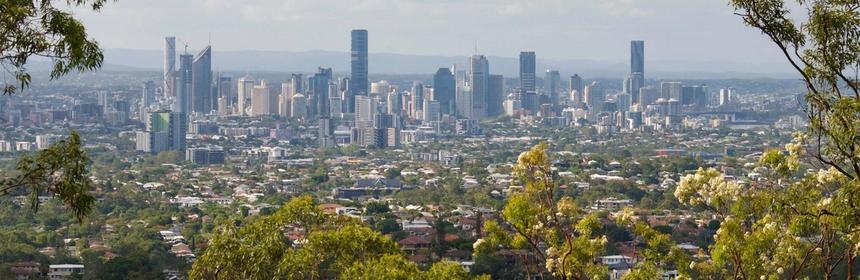
Brisbane's southside has historically sat in the shadow of the northside's better-known investment suburbs. Chermside, Nundah and Kelvin Grove have dominated the conversation for years. But the April 2026 Cotality data tells a different story. The strongest annual price gains in the city are concentrated in the southern and south-western corridors, with multiple southside suburbs recording double-digit annual growth rates that comfortably outpace the Brisbane average of 19.7%.
This is not a new trend that emerged overnight. The southside's outperformance reflects years of quiet gentrification, improving transport connectivity, and a wave of buyers priced out of premium inner-south suburbs like Camp Hill, Coorparoo and Greenslopes moving into adjacent suburbs that offer similar lifestyle access at lower entry prices. The suburbs covered in this guide sit between 7 and 15 kilometres from Brisbane CBD, all on or near rail lines, and all experiencing genuine owner-occupier driven demand that creates the tenant profile investors want.
Most southside suburbs have experienced significant price growth over the past five years. Several suburbs in this guide have median house prices above $1.2 million, which places them beyond the reach of many first-time investors. This guide identifies which dwelling type and price point makes investment sense in each suburb in 2026, rather than simply listing suburb names. Where house prices have moved beyond practical investment yields, the unit market is examined specifically.
The five suburbs at a glance
| Suburb | House median | House growth | Unit median | Unit growth | Days on market | House yield |
|---|---|---|---|---|---|---|
| Moorooka | $1,390,000 | +15.8% | $787,500 | +25.3% | 14 days | 2.83% |
| Salisbury | $1,315,000 | +13.4% | $800,000 | +10.2% | 16 days | 3.05% |
| Tarragindi | $1,707,500 | +13.1% | $1,000,000 | +31.6% | 22 days | 2.42% |
| Holland Park West | $1,522,500 | +10.7% | $896,000 | +31.5% | 22 days | 2.79% |
| Oxley | $1,000,000 | +15.8% | $800,000 | +21.5% | 22 days | 3.55% |
The table makes one thing immediately clear. House yields across the southside are compressed, running between 2.42% and 3.55% against a Brisbane city-wide house average of 3.3%. At current investor variable rates of 5.91%, buying a house in most of these suburbs generates a substantial annual shortfall before tax. The investment case for the southside in 2026 is primarily a unit story and a long-term land value story, not a near-term cash flow story from detached housing.
Moorooka sits 8 kilometres south of Brisbane CBD on the Ipswich and Rosewood rail lines, with direct rail access to the city in under 20 minutes. It is arguably the clearest gentrification story on Brisbane's inner southside right now. The suburb has been transitioning from a working-class multicultural community to a destination for young professionals priced out of Camp Hill and Coorparoo, and that transition is still well underway rather than complete. That timing matters for investors because it means meaningful upside remains.
The unit data for Moorooka is the most compelling figure in this entire guide. CoreLogic via YIP confirms a unit median of $787,500 with annual unit growth of 25.3% and just 10 days on market. That is the fastest-selling unit market of any suburb in this guide and the highest annual growth figure. A 4.35% gross yield on a median rent of $575 per week provides a reasonable income buffer against the current investor variable rate of 5.91%. At the house level, the median of $1,390,000 with a yield of only 2.83% makes the house market significantly harder to justify on a cash flow basis in the post-budget environment.
Moorooka's dining and lifestyle precinct along Beaudesert Road is the visible signal of what is happening beneath the data. New cafes, bars and renovated streetscapes are arriving at a pace consistent with early-to-mid gentrification rather than a fully priced-in established suburb. Property Update's Michael Yardney has specifically flagged Moorooka as one of his favoured southside suburbs for 2026, citing its transformation trajectory and relative affordability compared to its established neighbours.
Salisbury sits 9 kilometres south of Brisbane CBD in the heart of what Michael Yardney of Property Update describes as the family belt of Brisbane, alongside Tarragindi and Holland Park West. The suburb has Salisbury railway station providing direct rail access to the city, a growing café precinct, and the kind of character housing stock that attracts owner-occupier buyers who renovate and hold long term. That owner-occupier demand is the foundation of Salisbury's 13.4% annual growth figure.
The house median of $1,315,000 with a 3.05% gross yield produces a gross annual rental income of approximately $35,100 against annual mortgage repayments of approximately $73,077 on an 80% LVR loan at 5.91%. That is a pre-tax annual shortfall of approximately $37,977 before ownership costs, and with negative gearing ring-fenced for established properties purchased after 12 May 2026, the true holding cost is significantly higher than in previous years. Salisbury is a suburb that makes sense as a long-term land value play for investors who can sustain that holding cost, not a near-term cash flow investment.
The neighbourhood plan covering Nathan, Salisbury and Moorooka has also flagged the potential for medium-density development of up to 8 storeys in strategic locations, which creates long-term development upside for well-located land holdings in the corridor. Investors with a 10 to 15 year horizon and strong equity who are targeting land content rather than yield will find Salisbury a compelling position.
Tarragindi has delivered the highest growth figures of any suburb in this guide. House values grew 13.1% in the past 12 months and unit values grew 31.6%. These are not outer-ring affordability-driven numbers — they reflect genuine inner-south premium demand for a suburb that combines leafy streets, character housing stock, excellent school catchments and proximity to both the CBD and the Sunnybank-Runcorn employment corridor.
At a house median of $1,707,500 and a gross yield of approximately 2.42%, Tarragindi houses are firmly in blue-chip territory beyond what standard investment analysis supports at current rates. The holding cost on a median Tarragindi house at 80% LVR would be approximately $1,600 to $2,000 per week out of pocket after rent, making it accessible only to investors with very strong income and equity positions.
The unit market at $799,286 with 30% annual growth is the more accessible and arguably more interesting investment position. Median unit rent of $610 per week produces a gross yield of approximately 3.17%, which is meaningfully stronger than the house market and provides better cash flow support. Units in Tarragindi that are close to the Toohey Forest parkland corridor and within walking distance of local amenity are particularly well-positioned for rental demand from professionals who want inner-south leafiness without the house price tag.
Holland Park West shares a postcode with Tarragindi (4121) and benefits from many of the same structural demand drivers: Toohey Forest proximity, strong school catchments, character housing, and position in the inner-south family belt that continues to attract buyers upgrading from the north and inner west. The suburb's unit market delivered 25.82% annual growth to a median of $852,500, and houses grew 10.7% to $1,522,500.
The unit entry point of $852,500 with a reported house median rent of $728 per week for houses and a yield of 2.79% tells the same story as Tarragindi: houses are premium long-term holds, while units offer a more manageable investment entry. At $896,000 for units the price point is higher than Moorooka's $743,000 and Tarragindi's $799,286, but the suburb's position in the well-established inner-south family belt justifies the premium for investors who want that specific tenant and owner-occupier demand base.
Holland Park West has a specific advantage that the other four suburbs in this guide do not. The suburb sits close to the Mount Gravatt TAFE and Griffith University Nathan Campus corridor, which provides a permanent and growing student and academic rental demand base on top of the family belt owner-occupier demand. That dual demand profile — families and students — produces a more resilient rental market through economic cycles than a single-demand-source suburb.
Oxley is the most practically accessible suburb in this guide for first-time investors. It is the only suburb of the five with a median house price under $1 million, and its gross house yield of 3.55% is the strongest of the five suburbs for houses. At $1,000,000 with a 3.55% gross yield and $682 per week median rent, a house in Oxley produces an annual rental income of approximately $35,464 against mortgage repayments of approximately $47,230 on an 80% LVR loan at 5.91% — a meaningfully more manageable shortfall than the inner-south suburbs in this guide.
Oxley is 15 kilometres south-west of Brisbane CBD on the Ipswich rail line, with Oxley station providing direct rail access to the city. The suburb is characterised by large blocks, quiet streets and a strong tradesperson and family tenant profile. With a house median of $1,000,000 it now sits right at the $1 million threshold, making it the most accessible house market of the five suburbs in this guide. Edwards and Smith and Loan Market Ignite consistently flag Oxley as a balanced investment option with solid fundamentals, strong rail connectivity and a growing unit market now at $825,000 median with 21.5% annual growth.
The honest limitation of Oxley is its lower annual growth rate of 15.8%. That is meaningful in absolute terms but well below the 15% to 25% figures recorded by the other four suburbs in this guide. Oxley is further from the CBD than the other four suburbs, has fewer gentrification signals, and its distance from the inner-south premium belt means it is less likely to experience the rapid demographic-driven price growth seen in Moorooka and Tarragindi. For investors who need a house, who need a yield above 3%, and who cannot stretch to the median prices of the other suburbs, Oxley is the right choice. For investors who can access the unit market in the other four suburbs, the growth trajectory there is superior.
What the southside story means for investors in 2026
The five suburbs in this guide collectively tell a consistent story about Brisbane's southern corridor. It is a market that has repriced significantly over the past five years but where the underlying demand drivers remain intact and, in several suburbs, are still accelerating. The gentrification of Moorooka, the premium family belt positioning of Tarragindi, Salisbury and Holland Park West, and the affordability anchor of Oxley collectively offer something for most types of investor — if you match the right suburb to your specific position.
Brisbane's southside has been the city's strongest growth corridor in early 2026 and the structural reasons for that outperformance are not going away. Buyers priced out of Camp Hill, Coorparoo and Greenslopes continue to push into adjacent suburbs. The Toohey Forest lifestyle premium is permanent. Rail connectivity on the Beenleigh and Ipswich lines is reliable infrastructure that does not disappear when clearance rates soften. The investors who buy Moorooka units and Tarragindi units in 2026 are likely to look back at this period the same way investors who bought the northside in 2019 to 2020 now look back at that decision. The fundamentals are in place. The timing window is open.
Brisbane's southside is one of the city's strongest growth corridors in 2026. Moorooka units at $743,000 with 25.3% annual growth lead the list. Tarragindi units at $799,286 with 30% annual growth are close behind. Oxley is the most accessible house market at $1,000,000.
The five suburbs in this guide collectively represent the strongest concentration of verified annual growth on Brisbane's southside. The investment case is primarily a unit story at current prices, with house markets in Tarragindi, Holland Park West and Salisbury requiring strong equity and long holding periods to justify the low yields at current borrowing rates. Moorooka stands out as the single most compelling entry point in this guide: a verified 25.3% annual unit growth rate, 10 days on market, and a gentrification trajectory that is still early enough to have meaningful upside ahead. For investors who can stretch to Tarragindi or Holland Park West, the lifestyle premium and 25% to 30% unit growth rates add further support to the southside thesis. And for investors who specifically need a house under $1 million with a yield that makes sense at current rates, Oxley is the honest answer the data supports.
Data sources: CoreLogic via Your Investment Property Magazine (YIP): Moorooka house median $1,390,000, house annual growth 16.59%, house yield 2.83%, house median rent $685pw, 130 house sales, 14 days on market; unit median $787,500, unit annual growth 25.3% (realestate.com.au, May 2026); Salisbury house median $1,315,000, house annual growth 13.4%, house yield 3.05%, house median rent $675pw, 95 house sales, 16 days on market (data period to March 2026); Holland Park West house median $1,522,500, house annual growth 10.7%, house yield 2.79%, house median rent $728pw, 85 house sales, 22 days on market; unit median $896,000, unit annual growth 25.82%, 19 unit sales, 19 days on market (data period to February 2026); Oxley house median $1,000,000, house annual growth 9.17%, house yield 3.55%, house median rent $682pw, 139 house sales, 22 days on market (data period to March 2026); Aussie Homes using CoreLogic/Cotality data: Tarragindi house median $1,707,500, house annual growth 20%, unit median $1,000,000, unit annual growth 30%, house median rent $793pw, unit median rent $610pw (2026); HtAG Analytics: Salisbury typical price $1,364,873, median rent $658pw, gross yield 2.51% (April 2026); OpenAgent and Cotality: Brisbane southern and south-western corridor showing strongest annual growth concentration in April 2026; Property Update, Michael Yardney commentary on Tarragindi, Salisbury and Holland Park West as favoured southside suburbs 2026; Edwards and Smith Brisbane investment hotspots 2026: Moorooka $680K median, Oxley $695K median as balanced investment options; Loan Market Ignite: Moorooka and Oxley flagged as middle-ring suburbs under $1M with solid investment fundamentals (January 2026); Cotality Monthly Housing Chart Pack: Brisbane dwelling median $1,116,180, annual growth 19.7%, vacancy 0.8%, rent growth 6.7% (May 2026). All figures are indicative based on publicly available data at the date of publication. This article is for general informational purposes only and does not constitute financial or investment advice. Always verify current data and consult a licensed financial adviser before making investment decisions.